
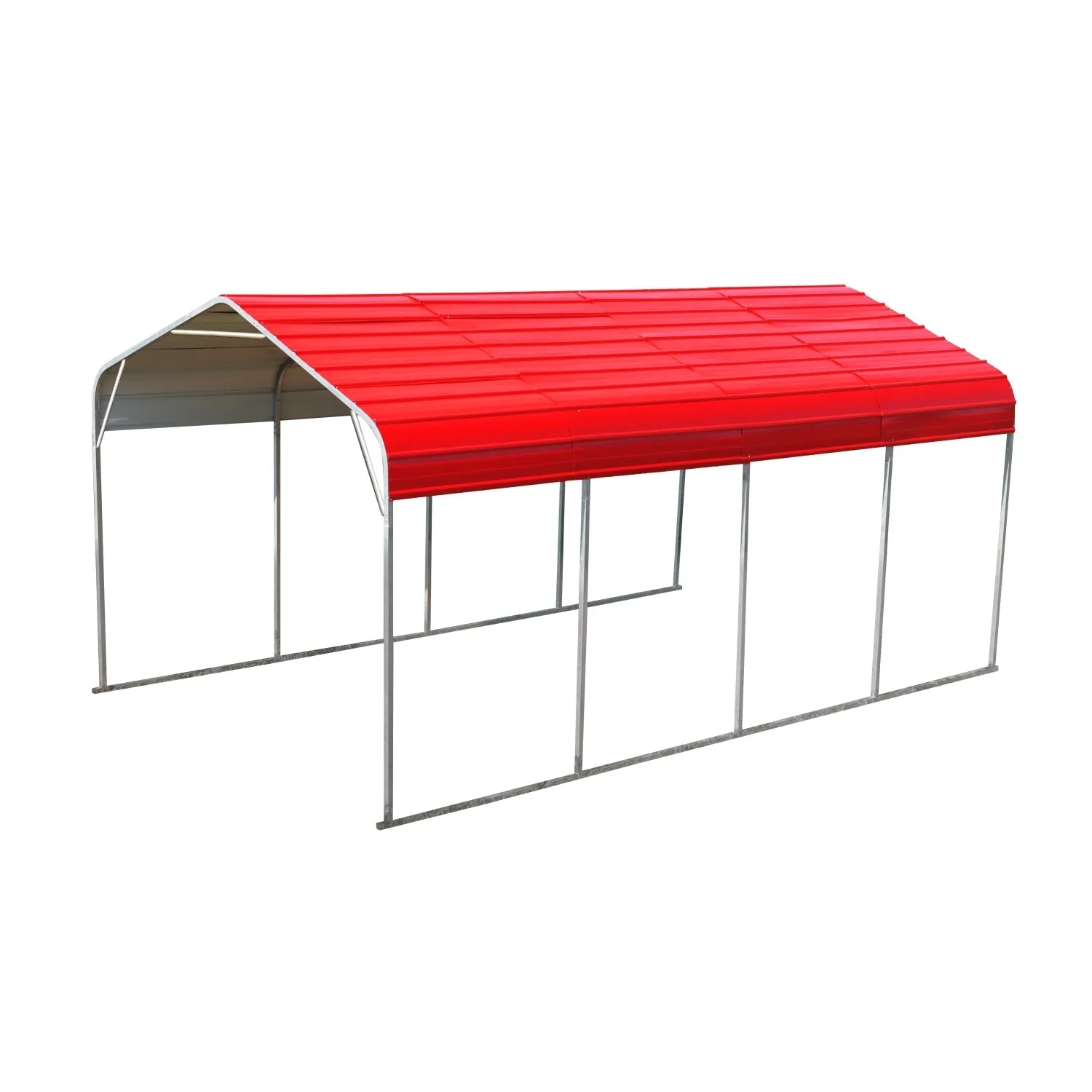
A 12x20 metal carport looks like a simple purchase until the first truck, boat, mower, or storage shelf does not quite fit. The size sounds standard. The photos look clean. The price may be easier to live with than building a garage. Then the practical questions show up: Will the doors open? Is the roof tall enough? Can it handle local weather? Do you need a permit? Can the delivery truck actually reach the property?
The right answer is not always the biggest carport or the heaviest frame. It is the carport that fits the way you will use the space every week. For one person, that means a single vehicle with room to walk around it. For another, it means a pickup, bikes, lawn equipment, and dry storage for seasonal gear. A 12x20 footprint can do a lot, but only when the details match the job.
Use this guide before you compare products. It will help you judge the real space, the structure, the installation demands, and the tradeoffs that matter before a kit lands in your driveway.
What a 12x20 metal carport actually gives you
A 12x20 metal carport gives you 240 square feet of roof coverage before posts, roof overhangs, vehicle mirrors, door swing, shelving, or walkway space take their share. That is usually enough for many sedans, compact SUVs, small boats, ATVs, motorcycles, lawn tractors, or a narrow workshop storage zone. It is not automatically comfortable for every pickup, every trailer, or every two-purpose setup.
The mistake is measuring only the vehicle length and width. A carport has to work while you are using it, not just while the vehicle is parked. Add room for doors to open, people to walk around, cargo to load, and snow or rain to shed away from the sides. If you plan to store equipment beside the vehicle, sketch that space before you buy. A few inches that look harmless on a product page can become the difference between daily convenience and daily annoyance.
Height matters just as much. Check the eave height, ridge height, and the lowest practical clearance under the roof structure. A peaked roof can give generous height in the center while the edges are tighter. If you drive a lifted truck, van, tractor, or boat with a tower, measure the highest fixed point and give yourself margin.
Measure the space like you are already using it
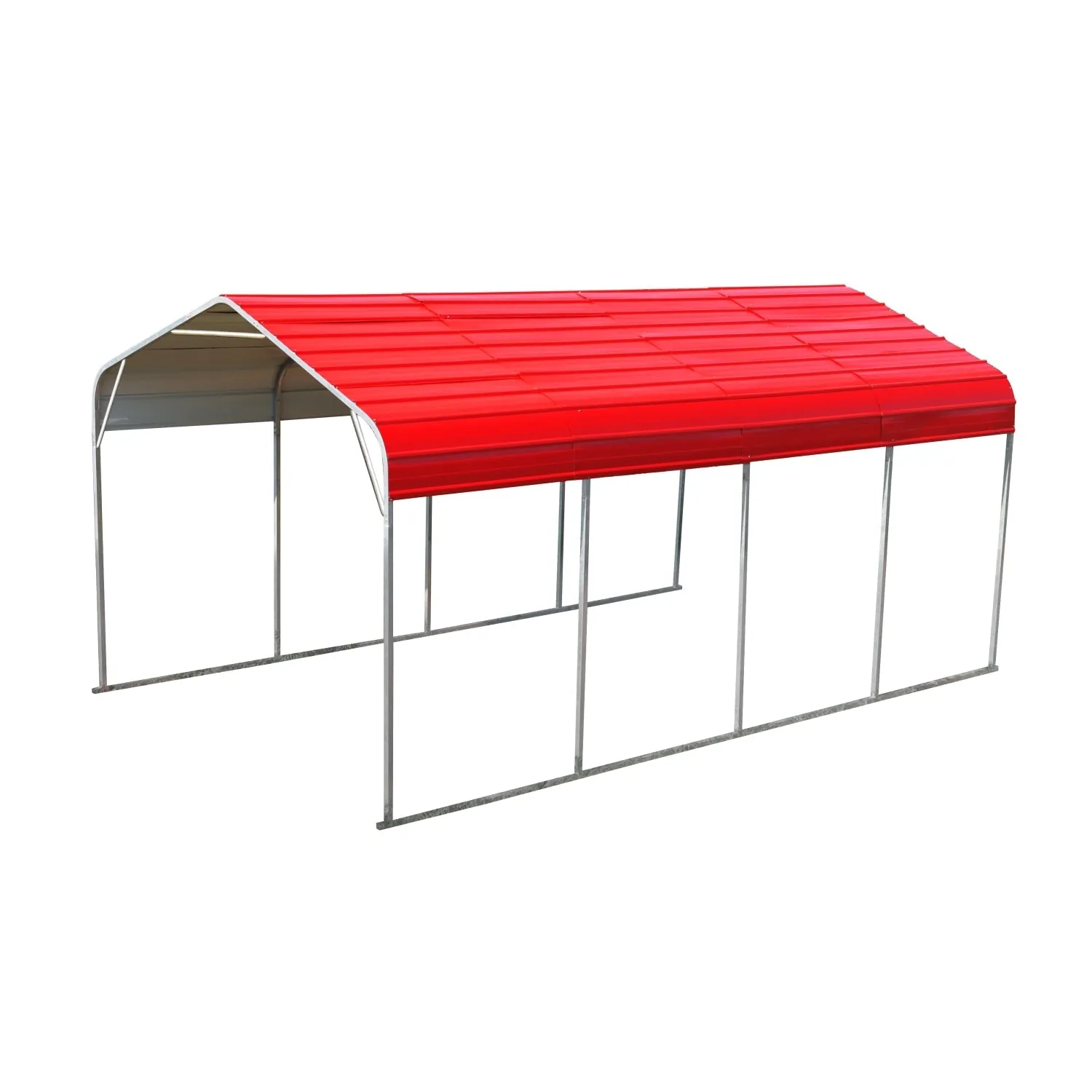
Start with the vehicle or equipment that must fit under the roof, then measure the property. Mark the 12x20 footprint on the ground with tape, stakes, chalk, or cones. Walk around it. Open the vehicle doors. Imagine backing in at night or carrying tools from the garage. If the carport sits beside a fence, wall, tree, or house, the usable side clearance may be less than the listed width.
Also think about approach. A carport can be large enough once you are inside but awkward if the driveway angle is tight. Leave turning room at the entry. If a gate, curb, slope, retaining wall, or landscaping feature limits the approach, the roof may need to sit farther back or turn a different direction.
Drainage is another overlooked detail. Water should move away from the carport, not pool under it. A slightly raised gravel pad or properly prepared slab can make the space easier to use and keep stored items drier. If the area already collects water after rain, solve that before installation instead of hoping the roof will fix it.
Compare the frame, roof, and panel details
Metal carports can look similar in photos while being very different in construction. Look for frame material, tube size, wall thickness, truss spacing, roof-panel type, coating, fasteners, and whether the product is designed for DIY assembly or professional installation. Galvanized steel is common because it resists corrosion better than untreated steel, but the exact frame and panel specification still matters.
Roof style affects performance. A peaked roof sheds water and snow better than a flat-feeling canopy and usually looks more permanent. A taller ridge can also help with airflow and clearance. In windy or snowy regions, do not treat roof shape as decoration. It is part of how the structure handles weather.
Check the published ratings carefully. Some products list wind and snow ratings in miles per hour and pounds per square foot, while others use engineering units or make broader weather-resistant claims. Those numbers are not interchangeable. If a listing gives a rating, read the conditions attached to it: anchoring, foundation type, assembly method, and local code requirements can all affect real-world performance.
Do not ignore wind, snow, and anchoring
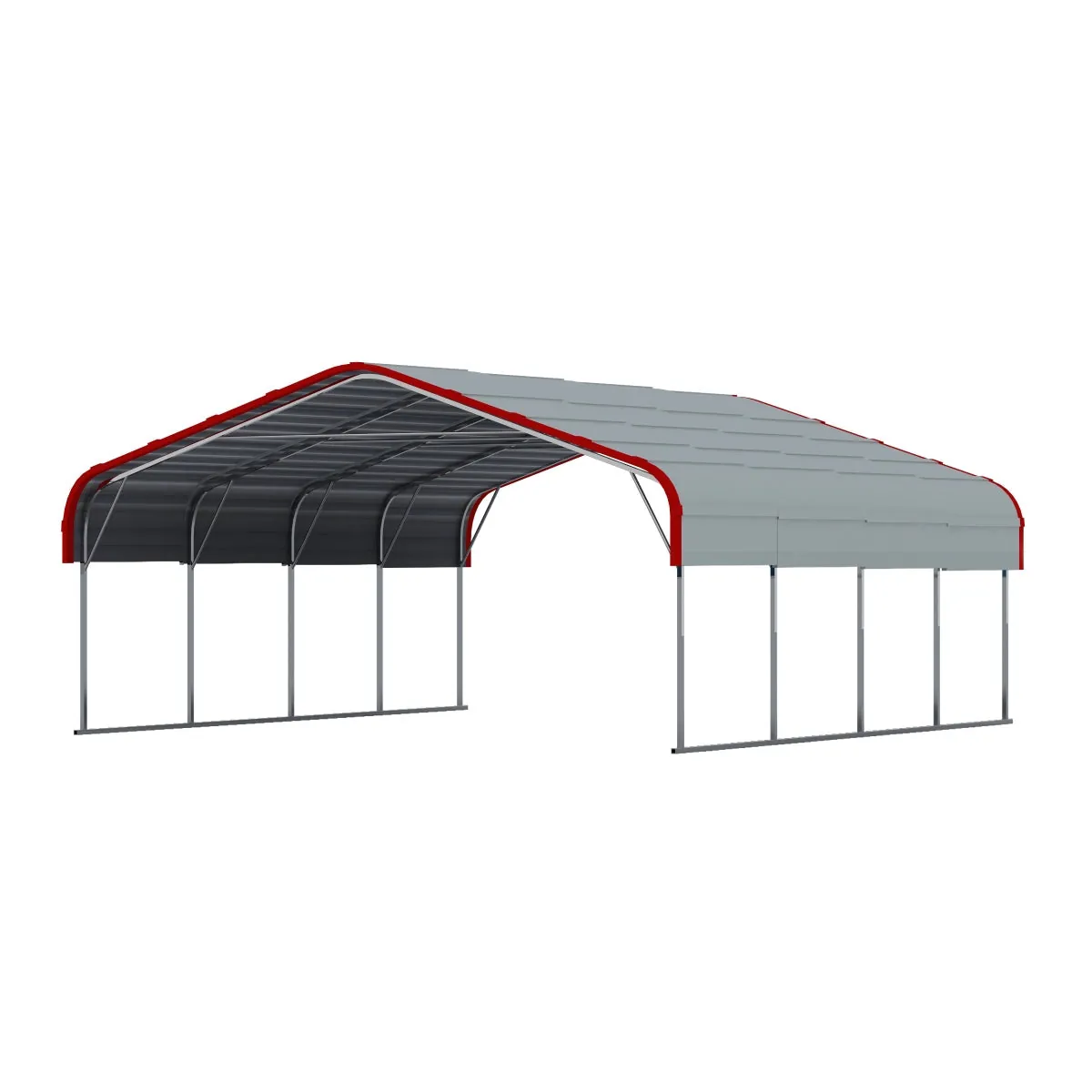
A carport is a roof that catches wind. That is useful shade and shelter on calm days, but it also means the anchoring plan is not optional. The frame, roof panels, and posts are only part of the system. The structure needs to be fastened to the right base for the site: concrete, asphalt, gravel, ground anchors, or another approved method.
For a useful comparison point, Home Depot lists one Arrow 12x20 galvanized steel carport as using a 2x2 inch tube frame with 15-gauge wall thickness and ratings of 100 mph wind and 35 psf snow load when installed as specified. That does not mean every 12x20 carport has the same rating. It shows why shoppers should compare actual listed specifications rather than trusting size alone. You can review that kind of rating on the Arrow 12x20 galvanized steel carport listing.
If you live in a high-wind, coastal, mountain, or heavy-snow area, check local expectations before ordering. A light-duty kit may still be useful for mild conditions, but the cost of replacing bent panels or a shifted frame is not fun. It is also not the sort of weekend surprise anyone brags about.
Check permit rules before money changes hands
Permit rules vary by city, county, state, property type, and whether the carport is temporary, freestanding, attached, enclosed, wired, placed on a slab, or near a property line. Some places treat a carport as an accessory structure. Some care about square footage. Some care about setbacks, height, lot coverage, wind zone, or fire separation.
The International Residential Code says carports should be open on at least two sides, and carports that are not open on two or more sides may be treated as garages instead. That distinction matters because an enclosed or partly enclosed structure can trigger different rules. You can see the open-side language in the IRC carport section.
Local permit packets also show how specific the process can get. Plano, Texas, for example, asks for drawings such as site plans, floor plans, and exterior elevations in its residential carport permit requirements. Maricopa County, Arizona, also publishes carport enclosure standards that separate open carports from garage-style enclosures. Those examples do not make either place's rules universal, but they are useful reminders: your local office may want more than a receipt and a product photo. Review your city or county requirements early, especially before pouring concrete or scheduling installation.
Plan the base, delivery, and installation day
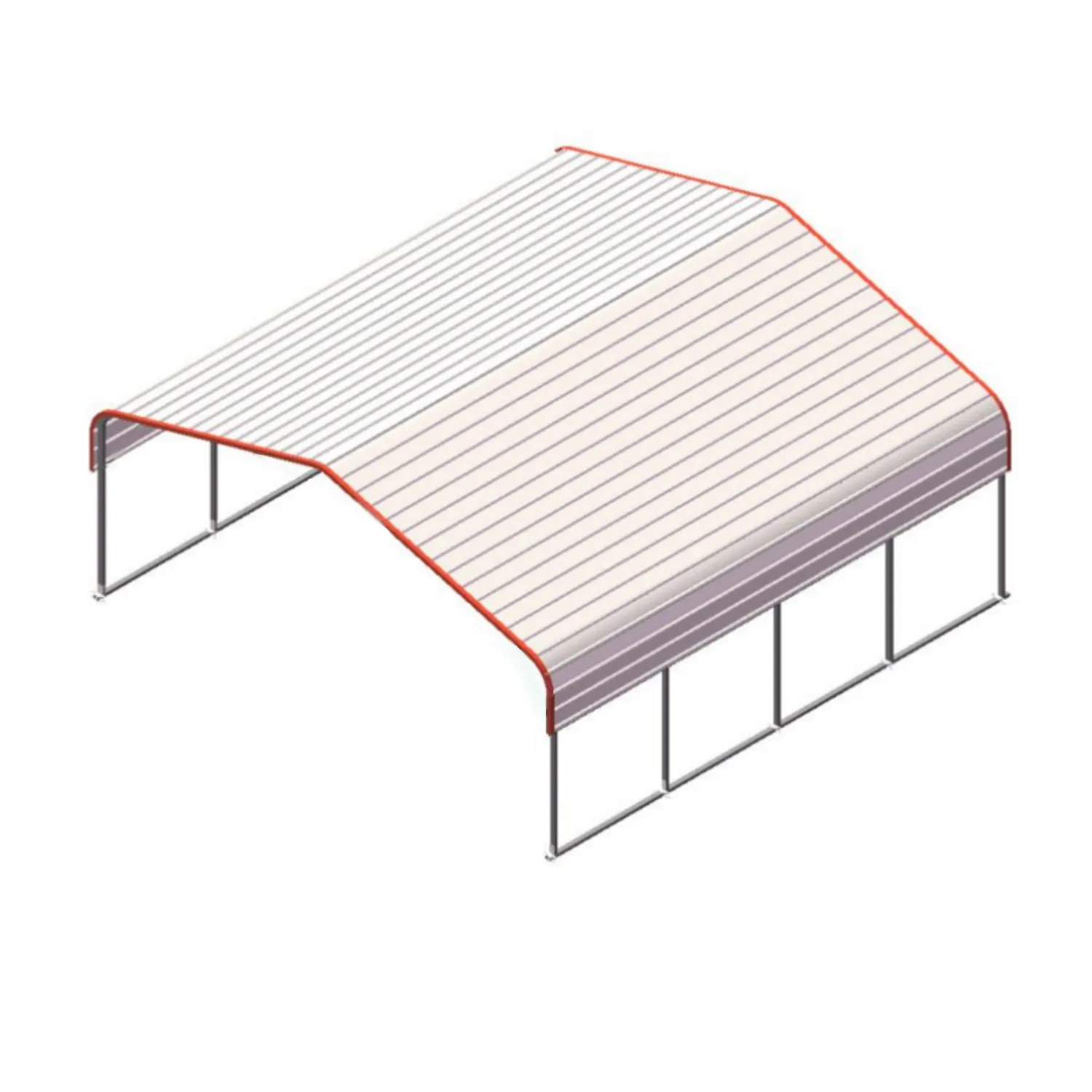
The product may be called a kit, but that does not mean installation is casual. Read the package weight, box dimensions, unloading requirements, and tool list. Several heavy-duty carports ship in long, heavy packages. Some require a forklift or equivalent unloading help. If the truck arrives and the site is not ready, the problem becomes immediate.
Decide where the parts will sit before assembly. Long roof panels need clean handling space. Hardware needs to stay organized. If installation will happen over more than one day, make sure the parts can be protected from weather and foot traffic. It is easier to prevent bent panels and missing fasteners than to troubleshoot them halfway through the build.
For the base, choose what matches the structure and your use. Concrete is clean and stable, but it costs more and may require permitting. Gravel drains well and can be practical for storage, but it needs proper preparation and anchoring. Bare ground is tempting, but it can shift, rut, and hold moisture. The cheapest base can become expensive if it makes the carport harder to use.
When a 12x20 is right and when to size up
A 12x20 metal carport is a strong fit when you need one covered vehicle space, a compact equipment shelter, or a mixed-use area for a car plus a small amount of outdoor gear. It is also appealing when the property cannot comfortably take a wider structure, or when you want protection without turning the driveway into a construction project.
Size up if you need two vehicles side by side, broad turning room, serious side storage, a future enclosure, or room for a truck with accessories. A 20x20 or wider carport may cost more, but it can be the better value if it prevents the space from feeling maxed out on day one. Buying barely enough coverage is usually where regret starts.
There is also a visual question. A 12x20 structure can look tidy beside a house, garage, or workshop. A much larger carport may dominate a small yard or driveway. Think about property fit as well as product fit.
How Just Shop can help you compare options
Just Shop carries practical carports and outdoor storage products in one place, so you can compare size, price, materials, and use case without bouncing through endless listings. Start with the 12x20 ft Heavy Duty Metal Garage Carport if you want a focused 12x20 option, then compare it with the 12x20 ft Outdoor Metal Carport and wider options in the Just Shop catalog.
The useful move is to shop with measurements in hand. Match the product page to your actual vehicle, site, and weather needs. If the listing leaves a question open, pause and ask before ordering. A carport is too large to buy on vibes. Helpful shopping beats heroic returns.
Quick checklist before you order
Measure the vehicle, the door swing, the walking space, and the driveway approach. Confirm that the roof height works at the lowest useful point, not only at the ridge. Decide whether the carport will hold only a vehicle or also tools, shelves, bikes, lawn equipment, or seasonal items.
Check the frame material, roof style, wind rating, snow rating, anchoring requirements, base requirements, delivery weight, and unloading plan. Review local permit and setback rules before ordering, especially if the structure is near a property line or you plan to pour a slab.
Finally, compare the carport against the next size up. If the larger option solves a real problem you can already see, it may be the more practical buy. If the 12x20 footprint fits cleanly and does the job without crowding the property, it can be a smart, efficient shelter.
Frequently asked questions
Is a 12x20 metal carport big enough for one car?
Yes, a 12x20 metal carport is often big enough for one car, compact SUV, motorcycle setup, or small equipment shelter. The real fit depends on the vehicle length, width, mirror clearance, door swing, roof height, and whether you need storage beside the vehicle.
Do I need a permit for a 12x20 metal carport?
You might. Permit rules depend on your local city or county, the carport size, attachment, foundation, setbacks, height, enclosure, and electrical work. Check local requirements before ordering or pouring a base.
What base is best for a metal carport?
Concrete is the cleanest and most stable base, but gravel can work well when it is properly prepared and drains correctly. The best base depends on the product, anchoring method, local soil, budget, and how permanent you want the installation to be.
Can a 12x20 carport fit two vehicles?
Usually not comfortably. A 12-foot width is generally a one-vehicle footprint. Two motorcycles, ATVs, or compact pieces of equipment may fit, but two cars side by side usually need a much wider carport.
What should I compare before choosing a metal carport?
Compare usable dimensions, eave height, ridge height, frame material, roof panels, wind rating, snow rating, anchoring needs, delivery weight, installation requirements, and whether the size leaves enough room for daily use.